On the Wednesday after the theft, Professor Mees, the rector magnificus of the college, delivers a thunderous sermon in the auditorium at Duivendaal to the students then still present. In order not to arouse suspicion, Yge van der Wal and Henk Sijnja sit with deadpan faces in the front row of the auditorium. The rector magnificus calls on the students to return stolen cards. No one will be punished.
No one reports …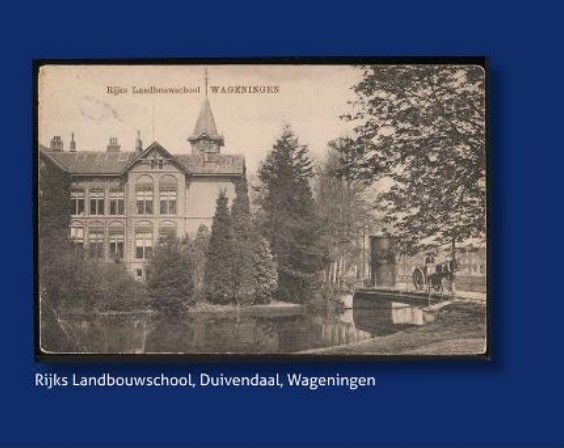
Retaliation
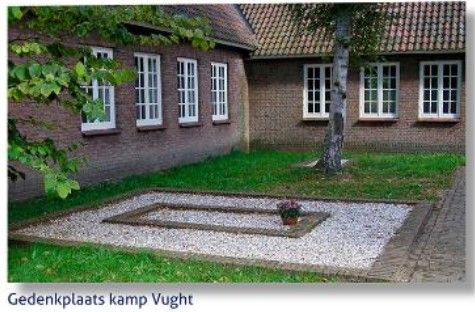
On Friday morning, January 8, the SD arrests 23 men, including 21 students, in retaliation for the murder. The perpetrators are not amongst them. The men are transferred to the penal camp in Amersfoort and from there to Camp Vught.
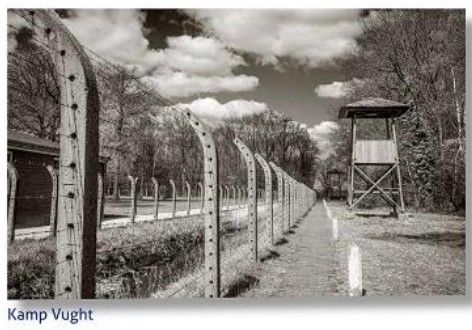
Camp Vught is not yet ready in early 1943; the prisoners must work hard to make it somewhat habitable. There is poor food or no food at all, contaminated water and no shelter from the winter cold.
One of the students, Gerardus Antonius Beerling, dies of an infectious disease in the camp on February 12, 1943. His name is written on the Memorial Stone in the auditorium of Wageningen University and on the name wall of the Monument to the Fallen on the Costerweg in Wageningen.
The others are transferred to Germany. Some regain their freedom
after two months.
During a raid the stolen population register was eventually thrown into the pond (swamp) behind the wagon shed at the Wolfswaard. (All papers perished as a result.)
This daring action kept many Jews and young men from Wageningen out of the hands of the Germans.
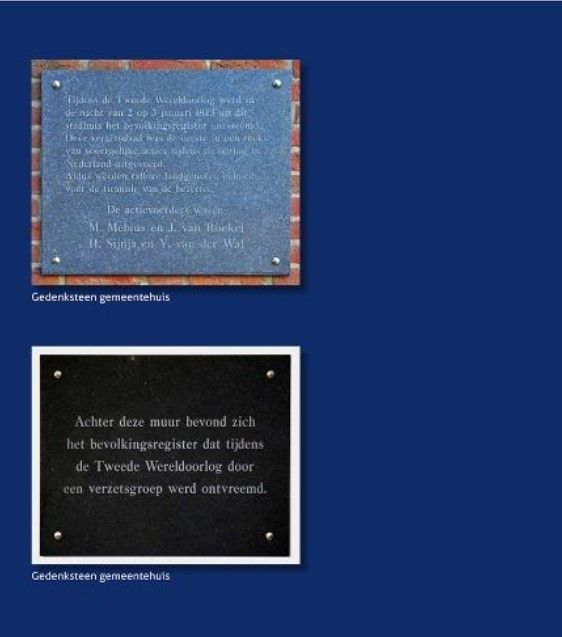
A memorial stone has been placed at the entrance of the Town Hall on the Markt as a permanent reminder of this act of resistance. A second memorial stone has been placed on the spot where the archive with the population register was located in 1943.
Wageningen was the first city in the Netherlands where the population register was stolen.